No single AI model consistently outperforms the others. Rankings on platforms like lmsys.org show that even the top models only have a slightly better than 50% chance of beating the next-best option—across reasoning, writing, coding, and other categories.
That’s why multi-model comparison matters. Different AI models excel at different tasks, and the best way to get high-quality, reliable output is to compare responses side-by-side.

Why Multi-Model Comparison Works§
- Objective accuracy: Spot factual differences across models
- Subjective quality: Choose the style, tone, or depth you prefer
- Better decisions: Get multiple perspectives for complex or high-value questions
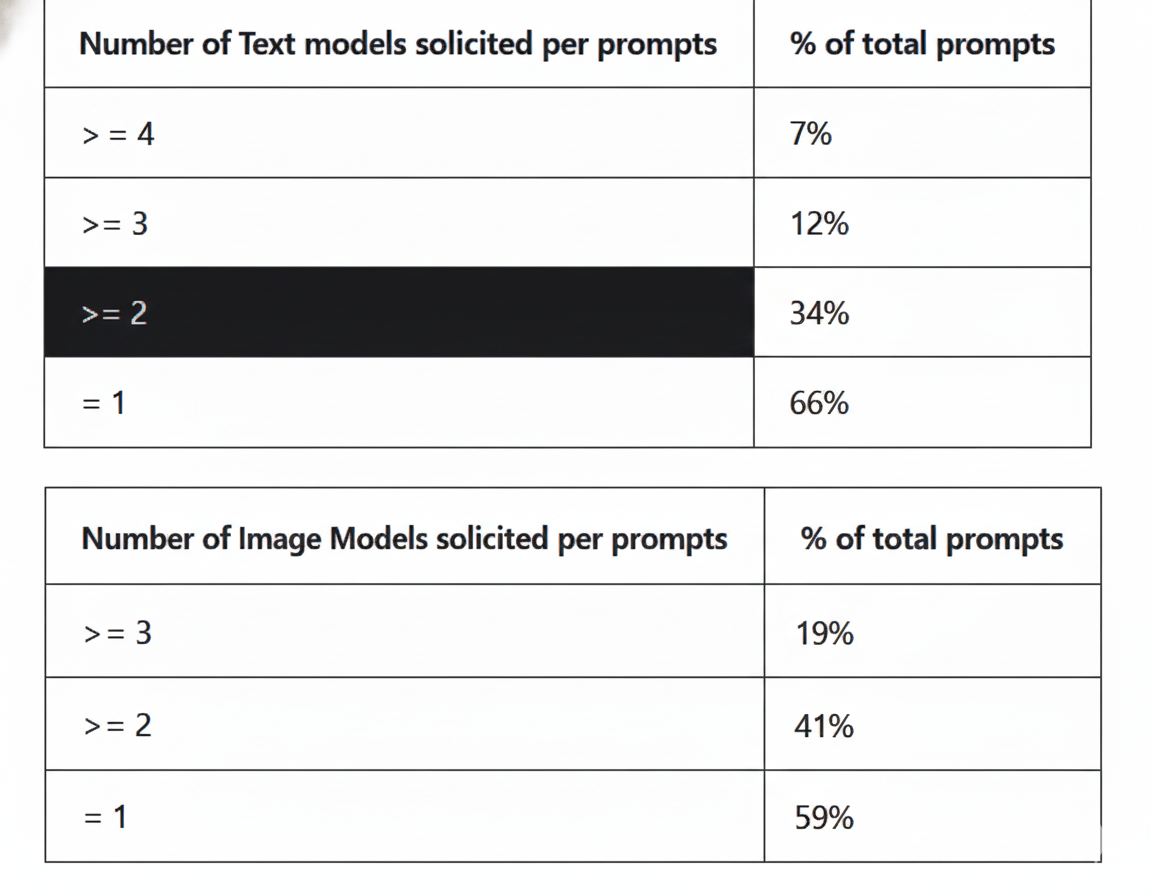
When Users Compare Models§
- Simple queries (66%): One model is enough
- High-value queries (34%): Users compare 2–4 models for:
- Business decisions - Creative content - Technical problem-solving - Research & analysis
Definable AI Makes It Easy§
- Access ChatGPT, Claude, Gemini, and more—on a single platform
- Run side-by-side comparisons instantly
- Save 86% compared to paying for separate subscriptions
- Reduce comparison time from 10–15 minutes to 2–3 minutes
When to Compare§
Use multi-model comparison for:
- Important business or strategic decisions
- Creative projects
- Complex technical issues
- Content that represents your brand
Use a single model for:
- Simple, routine, or time-sensitive tasks
FAQ
What is multi-model comparison?
Multi-model comparison means running the same prompt across multiple AI models and evaluating outputs side-by-side to identify the most accurate, useful, or stylistically appropriate response.
When should I compare AI models?
Compare models for high-value, creative, technical, or brand-sensitive tasks where accuracy, tone, or multiple perspectives matter; use a single model for simple or time-sensitive queries.
How many models should I compare?
Most users compare 2–4 models: enough to surface diverse strengths without adding too much overhead to the decision process.
Does comparing models save time and money?
Yes — using a single platform like Definable AI reduces subscription costs and cuts comparison time from 10–15 minutes to about 2–3 minutes while improving output quality.