Dear User,
Life is a journey filled with challenges and victories. Problems are unavoidable—but how we respond to them defines our strength and happiness.
Oprah Winfrey once said, _“Turn your wounds into wisdom.”_ Problems aren’t punishments; they’re opportunities to grow. Misery is optional. Perspective is powerful.
And believe it or not, this applies not only to life—but to software too.
When Challenges Appear§
Peace Pilgrim wisely said, _“Life is like a mirror. Smile at it, and it smiles back at you.”_ A smile doesn’t ignore problems—it faces them with confidence.
In life, your response to a challenge matters more than the challenge itself. When software throws an error, your response matters too.
Resilience Matters—Everywhere§
Dan Reeves put it perfectly: _“Difficulties in life are intended to make us better, not bitter.”_
Resilience comes from:
- Appreciating what works, not only what doesn’t
- Believing problems are temporary and solutions are possible
- Focusing on fixing rather than complaining
- Staying surrounded by positivity
- Adapting instead of resisting change
These principles don’t stop at life. They apply to technology as well.
Every Problem Has a Lesson§
Napoleon Hill said, _“Every adversity carries the seed of equal or greater benefit.”_ Great success often comes from failure. Thomas Edison didn’t see his thousands of failed attempts as defeats—he saw them as progress.
Perspective turns problems into forward motion.
Humor, Kindness, and Humanity§
Charlie Chaplin reminded us, _“A day without laughter is a day wasted.”_ Robert Ingersoll added, _“We rise by lifting others.”_
Laughter eases stress. Kindness creates clarity. And patience reminds us of something important:
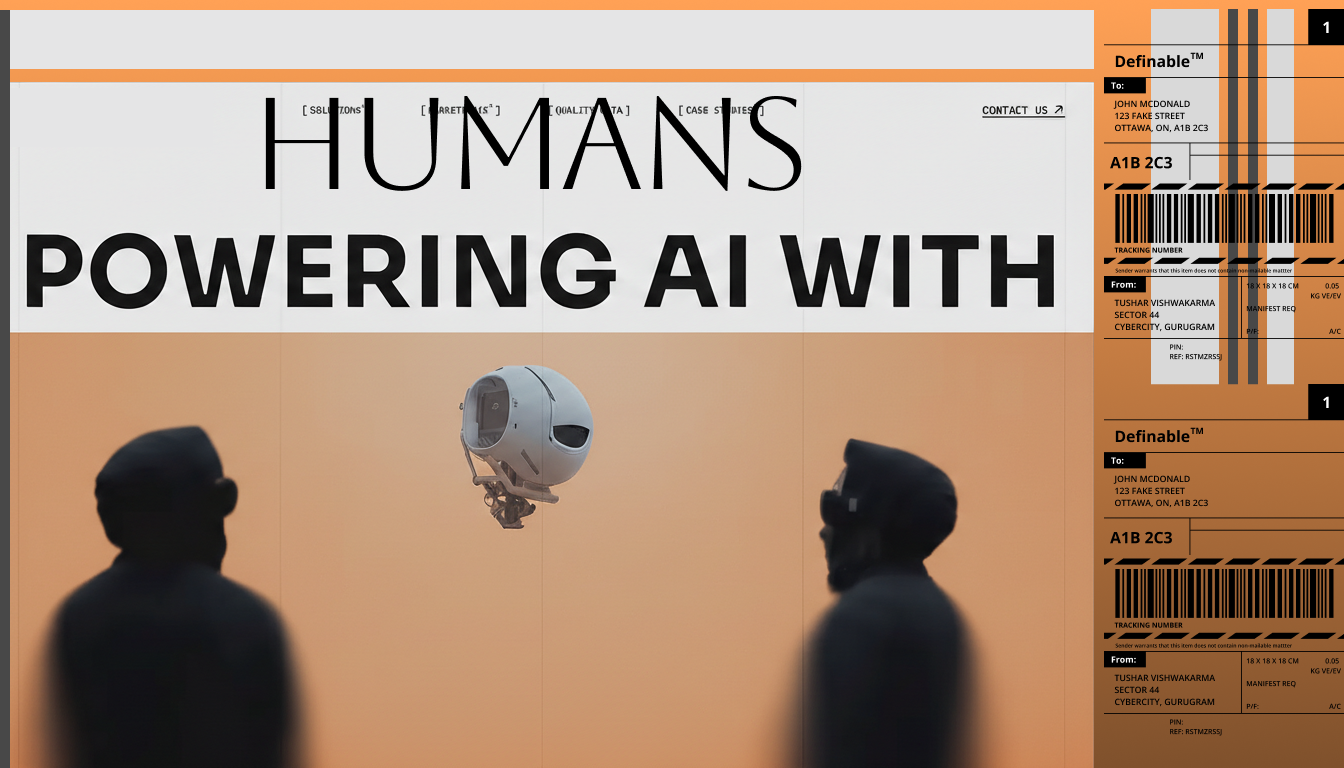
This software is built by humans.
Not faceless systems. Not infinite machines. Real people.
Developers staying up late debugging. Designers refining details you might never notice. Engineers optimizing performance so things feel fast. Support teams answering questions with care.
They are passionate. They are tired. They are human.
When Errors Happen (And They Will)§
Sometimes things fail:
- A response times out
- An image doesn’t generate
- A feature glitches
- Processing takes longer than expected
Frustration is natural—we understand that.
But behind every error is someone already trying to fix it. Behind every delay is effort happening in real time. Behind every temporary issue is a team that cares deeply.
The Power of Trying Again§
Here’s an honest truth: Sometimes, the best solution is simply to try again.
Servers rebalance. Connections re-establish. Resources free up. Timing aligns.
What fails once often works moments later. Persistence matters.
A Bigger Perspective§
Life throws challenges. Software throws errors.
Our response reveals who we are.
Do we give up immediately? Or do we pause, breathe, and try again? Do we focus on the 1% that fails—or appreciate the 99% that works? Do we recognize the human effort behind imperfect systems?
What We’re Asking§
We’re not asking you to accept poor quality. We’re not asking you to lower your expectations. We’re not asking you to tolerate repeated failures.
We’re asking for the same grace you’d hope for if someone judged your imperfect work.
When something goes wrong:
- Take a breath
- Try again in a moment
- Reach out if it continues—we’re here
- Remember: humans are working hard behind the scenes
That’s all.
Our Promise to You§
In return for your patience, we promise:
- We’re constantly improving
- We fix what breaks—obsessively
- We listen to feedback and learn from every issue
- We are deeply grateful for
FAQ
Why is empathy important when software fails?
Empathy recognizes the human effort behind systems and reduces frustration, enabling constructive communication that helps teams diagnose and fix issues faster.
What should I do if a feature or request times out?
Take a breath, try the action again after a short wait, and if the issue persists contact support with details so the team can investigate and resolve it.
How does resilience apply to software development teams?
Resilience encourages learning from failures, iterating quickly, staying positive, and focusing on solutions—leading to more reliable products over time.
How can users help when they encounter repeated errors?
Provide clear reproduction steps, screenshots or logs, and timing details; that information helps engineers diagnose problems and prioritize fixes.