Designing a house is always a balance between creativity and precision. You need beautiful ideas, but you also need structure, measurements, zoning awareness, and client approval. Traditionally, architects and designers have relied on manual sketches, repeated revisions, CAD files, and long back-and-forth feedback loops to move from concept to final plan.
That process still works, but it is slow.
With Definable AI, the workflow changes completely. By combining Knowledge Base, Chat, and Photo Studio, I can organize reference material, ask design questions, generate architectural concepts, and create visual inspiration much faster than before. For anyone working in architecture, interior design, real estate, or home planning, this is a practical AI workflow that saves time and improves output quality.
This blog explains how I use Definable AI for AI-assisted house planning, architectural concept generation, and design productivity.
Why AI Matters in House Planning and Architecture§
Modern architecture is not just about drawing floor plans. It involves:
- Understanding the plot
- Planning room flow
- Managing site constraints
- Considering natural light and ventilation
- Exploring design styles
- Creating visuals for clients
- Reworking plans based on feedback
This is where AI for architecture becomes valuable.
Instead of starting from zero every time, I can use Definable AI to:
- Store all my plot details and references in one place
- Ask questions instantly through chat
- Generate concept visuals in Photo Studio
- Build faster design directions before moving to detailed drafting
That means more creativity, less friction, and faster approvals.
The Biggest Pain Points in House Design§
Anyone who has worked on architectural planning knows the common problems:
1. Endless drafting§
Every new project starts with walls, dimensions, room placements, and repeated redrawing.
2. Too many revisions§
Clients often want changes after the first draft, then again after the second, and again after the third.
3. Balancing creativity with rules§
You want to create something elegant, but you also need to consider zoning, site limitations, and practical flow.
4. Information overload§
Architects often work with plot references, site measurements, materials, lighting direction, and budget constraints all at once.
5. Pressure to move faster§
Clients want quick results. Teams want fast turnaround. Competitors are using AI tools to speed up their process.
Definable AI helps reduce these issues by keeping the workflow organized and interactive.
What Is Definable AI Knowledge Base for Architecture?§
The Knowledge Base feature is where I store everything related to a house project.
Instead of keeping references in separate folders, chats, and notes, I can upload and organize:
- Plot dimensions
- Floor requirements
- Room list
- Site orientation
- Style references
- Client preferences
- Material notes
- Budget details
- Architecture inspiration images
- Sketches and reference documents
This becomes my project intelligence layer.
When I need information later, I do not have to search through multiple files. I simply ask Definable AI Chat, and it retrieves the relevant context instantly.
My Workflow: How I Use Definable AI for House Planning§
Step 1: Upload Project Information to the Knowledge Base§
The first step is to store all the project details.
For example, I upload:
- Plot size
- Number of floors
- Number of bedrooms
- Kitchen preferences
- Living room layout
- Staircase location
- Vastu or orientation notes
- Exterior style references
- Interior style references
This gives Definable AI a strong context base before I begin designing.
Step 2: Use Chat to Ask Design Questions§
Once the knowledge base is ready, I use the chat feature to ask targeted questions such as:
- What is the best room arrangement for this plot?
- How should I place the kitchen for better flow?
- What layout works best for natural light?
- Which facade style matches this brief?
- How can I maximize space without overcrowding?
This is where Definable AI becomes more than a chatbot. It becomes a design assistant.
Step 3: Generate Architectural Concepts in Photo Studio§
After I understand the direction, I move to Photo Studio.
Here, I create:
- House exterior concepts
- Facade ideas
- Mood boards
- Interior style visuals
- Material inspiration images
- Front elevation concepts
This helps me and the client visualize the final direction much earlier in the process.
Step 4: Refine the Design Direction§
I take the visual output and refine it further based on:
- Client preferences
- Functionality
- Plot constraints
- Aesthetic style
- Budget limitations
This makes the whole design process more collaborative and less stressful.
How Definable AI Helps Me Design Better§
1. Faster concept development§
I can create multiple design directions quickly instead of spending hours on initial ideation.
2. Better client communication§
Clients understand visuals better than technical drawings. Definable AI helps me show concepts early.
3. More design clarity§
By keeping plot details and references in one knowledge base, I stay more organized.
4. Creative exploration§
I can test different styles such as:
- Modern minimal
- Luxury villa
- Contemporary house
- Japanese-inspired home
- Scandinavian interiors
5. Less repetitive work§
AI handles the first layer of exploration so I can focus on design thinking and refinement.
My Prompt Architecture for House Design in Definable AI§
A good prompt creates a better image or answer. When I work on house concepts, I usually use this structure:
[Project Type] + [Style] + [Plot Details] + [Lighting] + [Mood] + [Visual Quality]Example Prompt for Photo Studio§
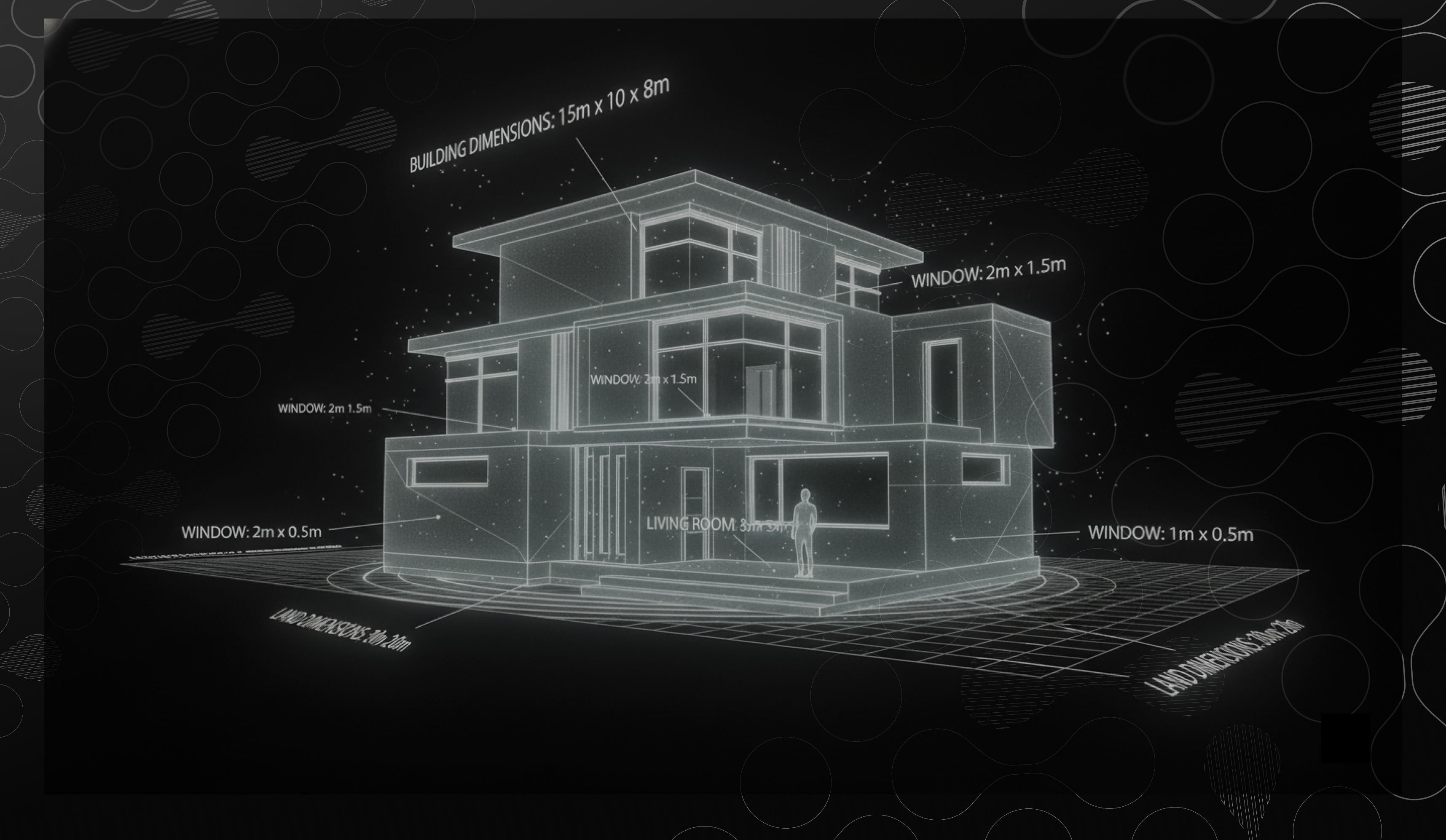
Modern two-story house exterior, clean facade, large glass windows, warm natural lighting, minimal contemporary style, realistic architectural render, high detail, elegant and balanced compositionExample Prompt for Interior Concept§
Luxury living room interior, soft neutral tones, natural light, modern furniture, clean architectural styling, realistic render, spacious and elegant moodExample Prompt for Architectural Direction§
Create a modern family home concept for a 40x60 plot with 3 bedrooms, open kitchen, living room, staircase near entrance, and large front facade, optimized for natural light and practical flowVisual Workflow Architecture§
Plot Details + Client Requirements
            ↓
Upload to Knowledge Base
            ↓
Ask Design Questions in Chat
            ↓
Generate Concept Visuals in Photo Studio
            ↓
Refine Layout and Style Direction
            ↓
Present to Client / Move to Final Drafting
How This Saves Time in Real Projects§
Using Definable AI helps me reduce the time spent on:
- Searching old references
- Writing fresh prompts from scratch
- Manually organizing design notes
- Creating multiple concept drafts
- Explaining ideas verbally to clients
Instead, I have one connected workflow where information, ideas, and visuals stay in sync.
That means:
- Faster design exploration
- Better productivity
- Better client presentations
- Better creative confidence
Use Cases for Architects and Designers§
Definable AI is useful for:
Architects§
- House plan concept generation
- Elevation inspiration
- Plot planning
- Design documentation organization
Interior Designers§
- Mood board creation
- Interior style exploration
- Space visualization
- Material inspiration
Real Estate Teams§
- Property concept visuals
- Marketing images
- Design presentation boards
Students§
- Architecture assignments
- Design research
- Concept presentations
- Visual references
Why Definable AI Is Better for My Workflow§
What I like most is that Definable AI does not just create one image or one answer.
It lets me build a complete workflow:
- Store information
- Ask questions
- Generate visuals
- Refine concepts
- Keep everything in one place
That makes it ideal for architecture and design work where both creativity and structure matter.
Final Thoughts§
AI is not replacing architects or designers. It is helping them work faster, think clearer, and present ideas better.
For me, Definable AI has become a practical part of the design process. The Knowledge Base keeps my project references organized. The Chat feature helps me ask better design questions. The Photo Studio turns those ideas into visuals I can actually use.
If you are working on house planning, architectural concepts, or interior design, this kind of AI workflow can save time and improve quality at the same time.
The future of architecture is not only about drawing plans. It is about using AI to design smarter.
FAQ
What is Definable AI and how does it help with house planning?
Definable AI combines a Knowledge Base, Chat, and Photo Studio to centralize project data, answer design questions, and generate concept visuals, streamlining the planning process.
Can Definable AI produce technical architectural plans?
Definable AI excels at organizing requirements, generating concepts, and creating visual direction; final technical drafting and code compliance still require an architect or CAD tools.
How do I use the Knowledge Base for a project?
Upload plot dimensions, room lists, orientation notes, style references, and client preferences so the chat and Photo Studio can access consistent project context instantly.
What makes a good prompt for generating house concepts?
Use a clear structure: Project type + Style + Plot details + Lighting + Mood + Visual quality, and include specifics like number of bedrooms, plot size, and desired aesthetic.
Will using AI replace architects or designers?
No—AI accelerates ideation, communication, and visual exploration, but human architects still direct design decisions, ensure functionality, and handle regulatory compliance.