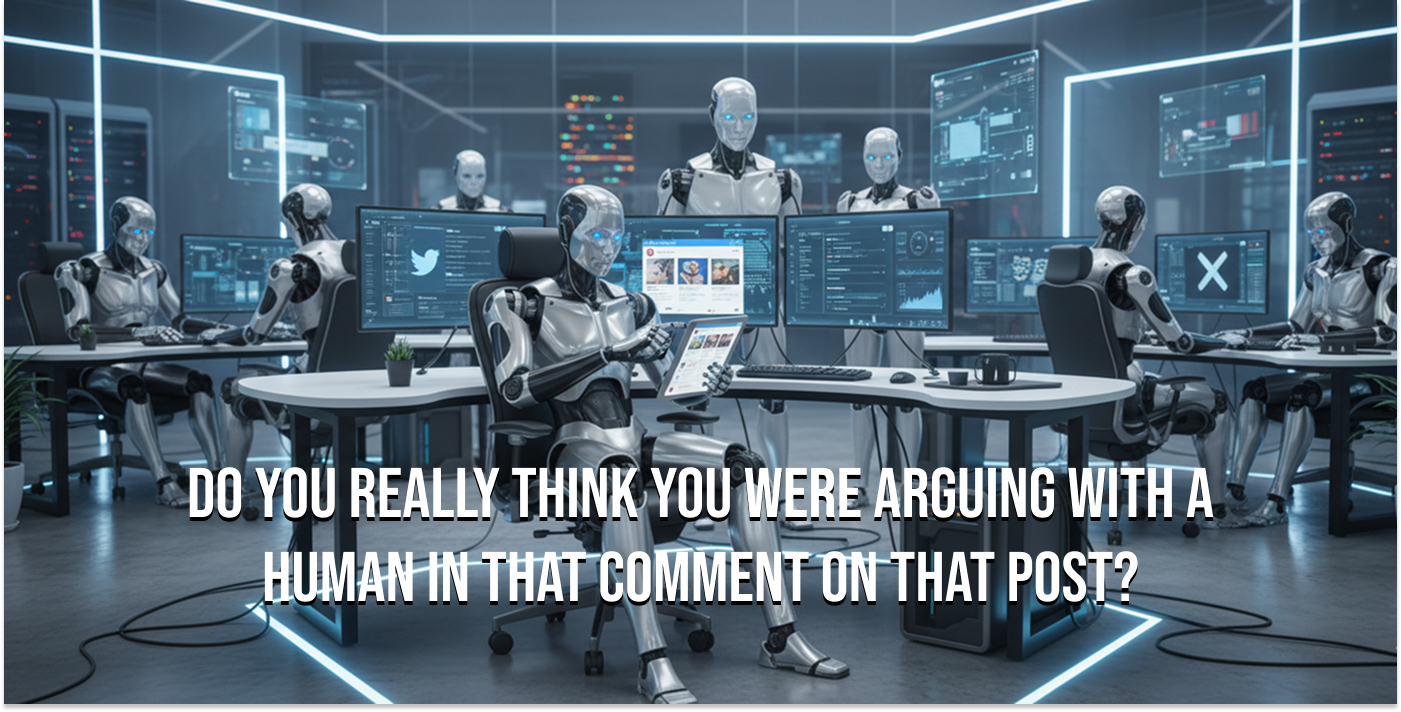
Social media bots are quietly undermining the integrity of online platforms. These automated accounts impersonate real users, distort engagement metrics, manipulate public sentiment, and divert advertising spend. Brands that rely on social media to connect with audiences or run campaigns now face growing difficulty separating genuine interactions from artificial noise.
Programmed to behave like humans, bots operate across major platforms including X (formerly Twitter), Instagram, Facebook, TikTok, and YouTube. Some serve legitimate purposes such as posting updates or responding to basic inquiries. However, a large and expanding group exists solely to deceive — generating fake engagement, spreading misinformation, promoting spam, or committing fraud at scale.
This artificial activity has serious consequences for marketers. Campaigns may appear successful due to inflated numbers, leading teams to double down on ineffective strategies. Budgets are misallocated, insights become unreliable, and brand safety is compromised, particularly when bots attach themselves to sensitive or controversial content.
Organizations such as Cloudflare and the Cybersecurity & Infrastructure Security Agency (CISA) have identified bots as key contributors to broader ecosystems of misinformation and fraud. Whether managing a small paid campaign or protecting a global brand, marketing teams face a clear mandate: identify and mitigate the influence of social media bots before they distort reality or erode trust.
Why Social Media Bots Are More Dangerous Than They Appear§
#### The Rise of Automation on Social Platforms
Automation has become a foundation of online communication. Scheduling posts, replying to comments, and aggregating content are now routine tasks handled by software. While these tools improve efficiency, they also enable abuse. Malicious bots now account for a significant portion of social media activity and are often difficult to distinguish from real users.
A 2024 Imperva report found that bots represented nearly half of all internet traffic in 2023, with a growing share active on social platforms. Many are designed to simulate engagement — likes, follows, comments, shares, and views — skewing performance metrics and misleading both users and advertisers. In algorithm-driven environments, even limited bot activity can artificially boost visibility and influence.
How Bots Undermine Campaign Performance and Online Trust§
For brands, the danger lies in false signals of success. Artificial engagement can lead to:
- Misinformed decisions: Optimization based on fake data
- Wasted budgets: Ads delivered to non-human traffic
- Brand safety risks: Association with spam or disinformation
Bots are also used in coordinated influence operations to sway public opinion, target political figures, or damage competitors’ reputations. Whether driven by ideological motives or commercial incentives, these activities threaten authenticity, credibility, and return on investment in digital marketing.
Understanding Social Media Bots§
A social media bot is automated software designed to mimic human behavior on digital platforms. According to Cloudflare, bots frequently interact with content by liking, sharing, or commenting at scale and speed impossible for real users.
While some bots are benign — such as those providing news updates or customer service responses — malicious bots are commonly deployed to:
- Spam hashtags
- Amplify false narratives
- Manipulate public discourse
- Impersonate real individuals
CISA classifies such activity as part of a broader “malinformation” threat landscape, particularly when automation is used to spread propaganda or deceive users at scale.
The Impact of Bots on Brand Perception and Public Opinion§
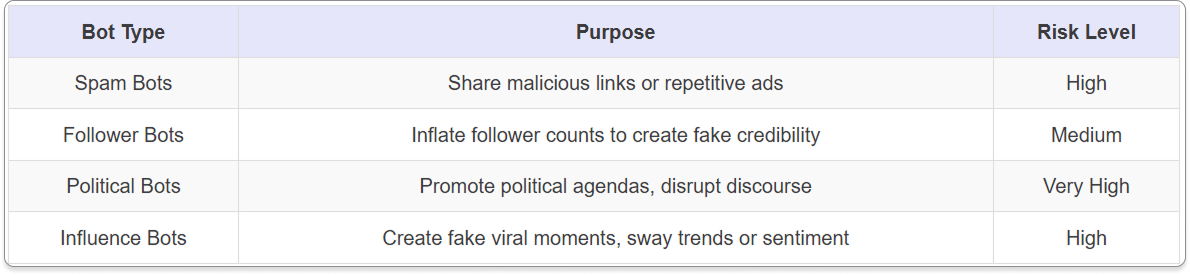
#### Fake Engagement and Distorted Metrics
Bots inflate likes, comments, shares, and video views, creating a misleading sense of popularity or success. Platforms often reward high engagement with increased visibility, meaning bot-driven interactions can distort the content ecosystem for everyone.
When decisions are made using contaminated data, brands risk losing alignment with real audience sentiment and behavior.
#### Bots as Vehicles for Disinformation
Bots are frequently used to spread conspiracy theories and false information. They impersonate real users, amplify divisive content, and hijack trending hashtags. Studies estimate that during major political events, bots can account for 15% to 25% of online political conversation. Brands advertising alongside such activity risk public backlash and long-term trust damage.
Bots and Digital Advertising Fraud§
Ad fraud occurs when bots mimic user behavior by clicking ads, watching videos, or interacting with sponsored content. This leads to inflated impressions, false engagement reports, and wasted advertising spend.
Globally, advertisers lose tens of billions of dollars annually to digital ad fraud, with bots playing a central role. Even limited bot interference can skew KPIs and disrupt optimization strategies.
Real-world cases highlight the scale of the issue. Major brands have cut ties with influencers found to have significant fake followings, industry studies have revealed large portions of programmatic spend going to low-quality or non-human traffic, and lawsuits have been won over bot-generated installs and clicks.

Detecting and Defending Against Bot Activity§
Common warning signs include:
- Accounts with incomplete profiles
- Unusual follower-to-following ratios
- Repetitive or irrelevant comments
- Sudden spikes in engagement without campaign activity
These patterns often indicate inorganic growth or coordinated bot networks and warrant deeper analysis.
#### Best Practices for Marketers
- Monitor analytics for anomalies and unexpected traffic spikes
- Compare performance against historical baselines
- Validate audiences before influencer partnerships
- Educate teams about engagement bait and suspicious growth tactics
- Prioritize quality interactions over inflated numbers
Manual reviews can help, but at scale, automated detection and ongoing monitoring are essential to protect budgets, insights, and brand reputation.
FAQ
What is a social media bot?
A social media bot is automated software that mimics human activity—liking, commenting, following, or posting—to amplify content, spread misinformation, or commit ad fraud.
How can I tell if followers or engagement are from bots?
Look for incomplete profiles, odd follower-to-following ratios, repetitive comments, sudden engagement spikes, and traffic that doesn't match historical baselines.
How do bots affect advertising campaigns?
Bots inflate impressions and clicks, causing wasted ad spend, distorted KPIs, poor optimization decisions, and reduced ROI from programmatic and paid campaigns.
What tools and practices help detect bot activity?
Use analytics anomaly detection, third-party bot-detection vendors, influencer audience audits, platform verification features, and continuous monitoring to spot inorganic traffic.
What should a brand do if it finds bot-driven engagement?
Pause suspect campaigns, audit analytics and partners, remove or block inorganic accounts, report abuse to the platform, and update targeting and verification processes.